· 6 min read
Do Night Driving Glasses Work? Yellow Lenses, Headlight Glare and What Actually Helps
Do yellow night driving glasses work? What a 2019 study found, why headlights feel so bright, how anti-glare differs from a yellow tint, and practical ways to reduce glare on the road.
The short answer
Yellow night driving glasses can make headlights feel less harsh, and many drivers like them for that. But research has not shown they help you see better. Treat them as a comfort tint, never as a reason to drive faster or with less care.
Why headlights feel so bright at night
Modern LED and HID headlights are brighter and bluer than old halogen bulbs. In the dark your pupils open wide, so more stray light enters the eye. A dirty or scratched windscreen scatters that light into starbursts, and so do smudged or scratched glasses. Uncorrected short sight or astigmatism blurs lights into streaks, and an early cataract can add halos.
What the research found
In a 2019 study at Harvard's Schepens Eye Research Institute, 22 people drove night scenarios in a simulator wearing three popular yellow-lens glasses and clear lenses, with and without oncoming headlight glare. The yellow lenses did not help them detect pedestrians any sooner, and did not reduce the effect of glare (Hwang, Tuccar-Burak and Peli, JAMA Ophthalmology, 2019).
The researchers also raised a real risk: if the glasses make people feel they see better, they may drive with less caution. The reason is simple — any tint removes some light, and at night the eye needs all the light it can get.
Night driving glasses vs anti-glare vs blue light glasses
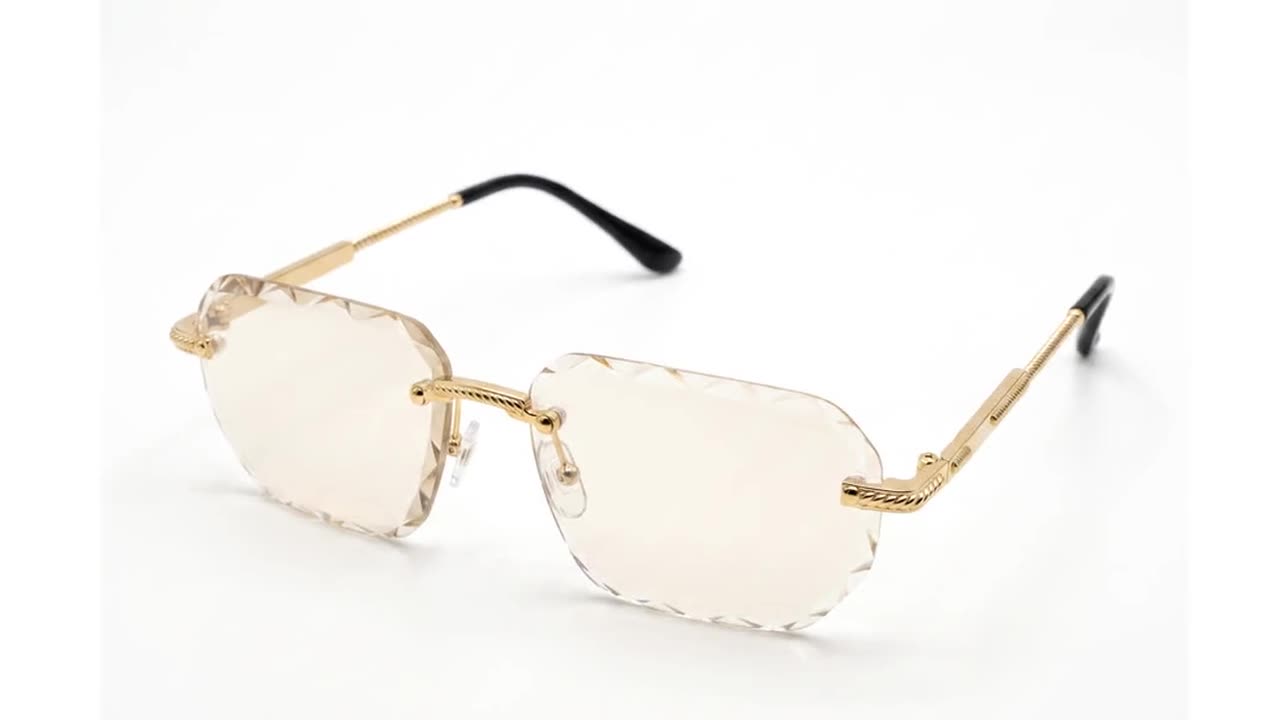
Anti-glare (anti-reflective) is a clear coating. It reduces reflections bouncing off your own lenses without darkening the view, which is why it is the usual recommendation for drivers who wear glasses. Night driving glasses add a yellow tint on top. Blue light glasses are made for screens and are not designed for driving.
"Night vision glasses" is simply a sales name for yellow-tint glasses. No ordinary pair gives you night vision.
How to reduce headlight glare while driving
Clean the windscreen inside and out, and replace worn wiper blades that leave streaks. Keep your glasses clean and free of scratches. Make sure your prescription is current — even a small uncorrected error makes lights blur. Dim your dashboard and phone screen. When a car approaches with high beams, look toward the left edge of your lane rather than into the lights, and slow down until your eyes recover.
If halos and starbursts keep getting worse, or night driving has become noticeably harder, see an eye specialist. It can be an early sign of cataract or another treatable condition.
If you still want yellow lenses
That is a fair choice for comfort, as long as you know what they do. Our night driving glasses page lists the Night-Driving Glasses with Magnetic Clip-On and the 4-in-1 clip-on sets, plus the Night Drive Yellow lens for any eyeglasses frame. If you need a prescription for driving, clear lenses with Premium Anti-Glare are the option eye doctors usually suggest.